
Cost of Tree Canopy Thinning in Prescott Valley, AZ
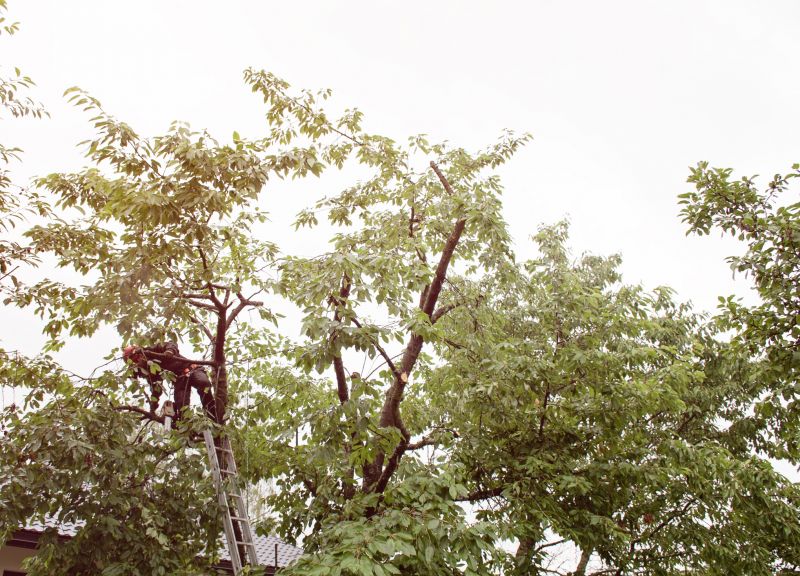
Tree canopy thinning in Prescott Valley, AZ, involves selectively reducing the density of tree branches and foliage to improve air circulation, light penetration, and overall tree health. The final project costs can vary based on the scope of work, the types of materials used, the complexity of the labor involved, and specific site conditions. It is recommended to obtain detailed estimates from local providers to understand the potential expenses for a particular project.
As with many tree maintenance services, pricing for canopy thinning is influenced by factors such as tree size, accessibility, and the extent of thinning required. Since costs differ depending on these variables, comparing multiple quotes can help determine the most suitable option. It is important to consider that final prices will reflect the unique requirements of each site and project scope.
Typical Price Range
$1,200 - $2,800 (smaller scope)
$3,000 - $6,500 (medium scope)
$7,000 - $12,000 (larger scope)
$500 - $1,200 (minor thinning)
$15,000 - $25,000 (extensive thinning)
| Project Type | Typical Range |
|---|---|
| Selective Canopy Thinning | $1,200 - $2,800 |
| Complete Canopy Removal | $3,000 - $6,500 |
| Thinning for View Enhancement | $2,000 - $4,500 |
| Emergency Tree Thinning | $2,500 - $5,000 |
| Pre-Construction Thinning | $4,000 - $8,000 |
| Maintenance Thinning | $1,000 - $2,500 |
| Extensive Canopy Reduction | $7,000 - $12,000 |
Factors Affecting Cost
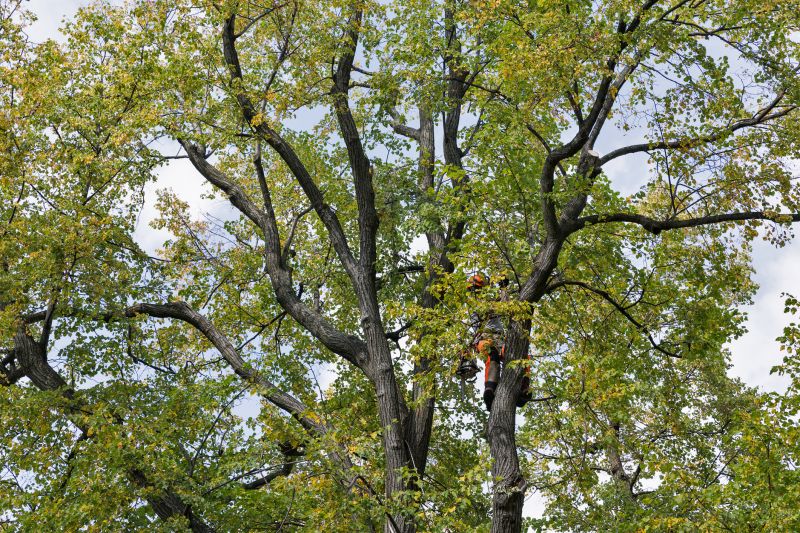
Tree canopy thinning in Prescott Valley, AZ, involves selectively reducing the density of tree branches and foliage to improve air circulation, reduce weight, and promote healthier growth. This process can help maintain the safety and appearance of trees in residential and commercial landscapes, especially in areas prone to wind or storms. Understanding typical project considerations can assist in planning and budgeting for canopy thinning services.
- Materials: Usually involves pruning tools such as hand pruners, loppers, and pruning saws; no additional materials are typically required.
- Size and Scope: Ranges from small, targeted branch removal to extensive thinning of large canopy areas, depending on tree size and density.
- Labor Complexity: Generally moderate; involves careful pruning to avoid damaging the tree while achieving desired thinning results.
- Permitting: May require adherence to local ordinances or homeowner association guidelines; permits are not always necessary but should be verified beforehand.
- Extras: Additional services may include debris removal, branch disposal, or health assessments, which can influence overall project costs.
Project Size Considerations
| Scope/Size | Typical Range |
|---|---|
| Small-scale thinning (individual trees) | 10-20 feet canopy diameter |
| Medium-scale thinning (street or park trees) | 20-40 feet canopy diameter |
| Large-scale thinning (property or landscape) | 40-60 feet canopy diameter |
| Overstory removal (selective thinning) | Variable based on tree species and site |
| Complete canopy reduction | Depends on project scope and tree health |
In Prescott Valley, AZ, typical costs for tree canopy thinning can vary based on the size and number of trees involved, as well as site accessibility.